Ibogaine is drawing new interest from the Trump administration. Here’s what to know about the psychedelic
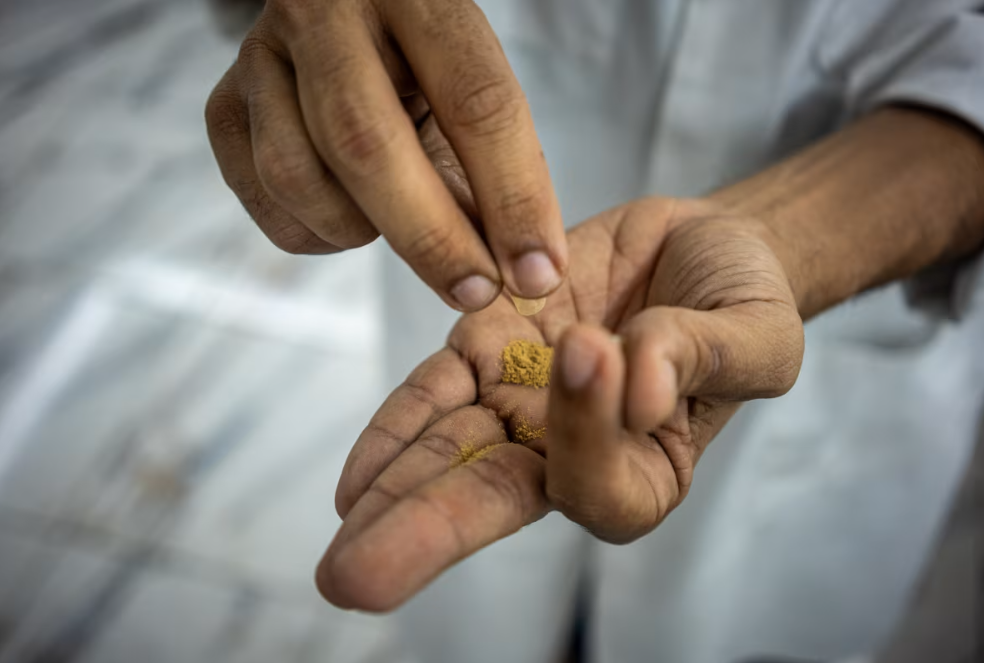
Ibogaine, extracted from the iboga plant in Central Africa, has been used to decrease opioid cravings and treat severe depression, anxiety and post-traumatic stress disorder symptoms in veterans.
“We are enthusiastic [about] any federal attention toward developing new treatments for people struggling with PTSD and opioid addiction. These are populations that are often underserved by what we currently have,” Rab said. “Novel treatments deserve rigorous examination and time to prove their efficacy.”
What the future may hold
The general response to Trump’s executive order has been a “mixed bag,” because while experts have expressed excitement, others have concerns about the need to conduct more research on psychedelics’ risks and benefits, and concerns that the $50 million that the order allocates to state governments to advance research may not be sufficient, said Melissa Lavasani, founder and chief executive of the advocacy group Psychedelic Medicine Coalition, which works to pave the way for safe, effective psychedelic medicines to enter mainstream health care.
“The $50 million is a great starting point. But we know that psychedelic studies in general are really expensive to execute on, because the psychedelic experience is time-intensive. You have to be in a clinical setting,” she said, adding that most states typically don’t have the bandwidth or the resources to conduct large-scale studies in the same way the federal government does.
The executive order also directs the FDA to provide national priority vouchers to certain psychedelic drugs. The FDA Commissioner’s National Priority Voucher pilot program, which was announced last year, was developed as a pathway to speed the review process for certain drugs and biological products seeking approval.
“This is to grease the wheels internally within government to make things move a little quicker and get some of these reviews out the door much faster, so that we can work towards FDA approval,” Lavasani said, adding that prior to the executive order, psychedelic companies tried to get fast-track reviews and were denied.
“This is significant in that it speeds up access. It speeds up these drugs being available on the market, and it can advance dialogues about what insurance coverage is going to look like and what health care infrastructure needs to be,” she said. “There’s not a question of if the Trump administration will allow FDA approvals for psychedelics, it’s ‘when this happens, what do we need to do to be prepared for this?’ So that this can get rolled out properly, so that folks can have access, so that insurance can eventually cover this and we can come up with some training and credentialing and protocols.”
She added that “it’s going to be a trial and error process, and it’s not going to happen overnight. Even with an executive order, this stuff takes a lot of time.”