A quick rundown on Ibogaine and why it’s illegal in the US
Psychedelics have always had their fans, but in April 2026, they got a particularly high-placed supporter.
President Donald Trump signed an executive order earlier this year directing the government to accelerate research into psychedelic treatments and allocated tens of millions of dollars in federal funding. The executive order only singled out one compound by name – ibogaine – and within days, the Food and Drug Administration began its first U.S.-based trials of an ibogaine-derived drug.
Here’s what you need to know about ibogaine.
What is ibogaine?
Ibogaine is a powerful psychoactive compound that has been used for decades to treat substance use disorders.
The drug’s “most striking benefit is its ability to stop opioid withdrawal and eliminate cravings, often after a single session, something no currently approved medication can claim to do,” said Joseph Barsuglia, a psychologist who has studied ibogaine for over a decade.
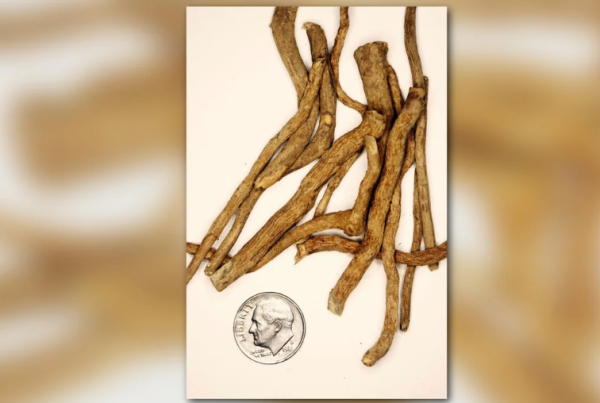
Derived from a Central African shrub, the drug’s ability to reduce withdrawal symptoms and cravings were uncovered by accident, when Howard Lotsof, a 19-year old addicted to heroin, tried ibogaine out of curiosity in 1962.
Lotsof and his friends were shocked to find their cravings had vanished. Lotsof spent the rest of his life as an advocate, patenting its use for addiction treatment in 1985 and campaigning for further research on the topic, though an FDA-approved clinical trial never materialized due to funding disputes.
Ibogaine is illegal in several countries, including the United States and much of Europe. Many Americans travel to places like Mexico for ibogaine treatments, where it can be used legally.
How does ibogaine work?
It isn’t completely understood how ibogaine works, but scientists know ibogaine affects the brain’s reward and pleasure system.
By triggering the release of a natural growth factor in the brain and modulating neural pathways associated with addiction and reward, ibogaine restores healthy dopamine function and reduces cravings, Barsuglia said.
Ibogaine works differently from other opioid addiction-treating drugs like methadone or suboxone requiring daily dosing to be effective, Barsuglia said. It appears to repair the underlying brain circuitry damaged by addiction.
But a person taking ibogaine could experience a different state of mind, including hallucinations. This experience is “intense and demanding – typically 18 to 36 hours of deep hallucinations and emotional upheaval such that recreational use is essentially unheard of,” said Barsuglia. “It is not a drug anyone takes for a good time.”
Why is ibogaine not approved in the US, and could that change?
Since 1970, ibogaine has been classified as a Schedule 1 drug, a designation for substances with no currently accepted medical use and a high potential for abuse.
But there are signs this could change in the future. In addition to the recent ibogaine executive order and FDA trials, several states within the past few years, including Mississippi, Oklahoma and Tennessee have passed legislation funding ibogaine trials.