Brain scans reveal how ibogaine alters neural networks in veterans with head trauma
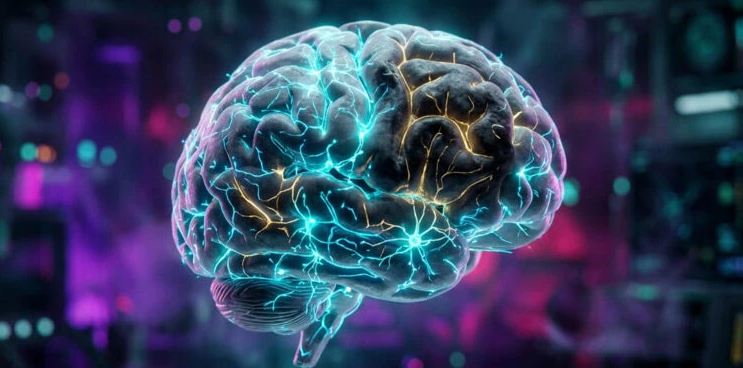
Special Operations veterans suffering from traumatic brain injuries and posttraumatic stress disorder experienced notable improvements in their symptoms after a single dose of the psychoactive drug ibogaine. Brain scans revealed that the therapy was associated with persistent increases in cerebral blood flow and the widespread reorganization of neural networks. The research was published in the journal Biological Psychiatry: Cognitive Neuroscience and Neuroimaging.
Sudden blows to the head or intense blast exposures cause traumatic brain injuries. Combat zones expose soldiers to blast waves that send immense pressure through the skull, which can stretch or shear delicate nerve fibers. Chronic effects include severe anxiety, depression, and a reduced capacity to perform routine tasks.
Special Operations forces veterans experience incredibly high rates of both brain injuries and stress disorders compared to the civilian population. Standard medical treatments rely heavily on regular talk therapy and symptom management medications. Many veterans do not find relief through these traditional routes.
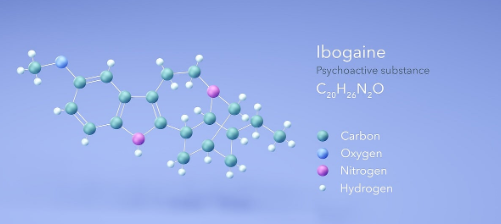
New, restorative medical approaches are actively sought by health agencies to help former service members regain their independence. Derived from a shrub native to Central Africa, ibogaine is a naturally occurring hallucinogenic compound. The substance has a long history of use in spiritual ceremonies by the Bwiti religion in Gabon.
In recent years, researchers have analyzed the drug as a potential treatment for addiction and psychiatric conditions. It represents a highly active field of study as psychologists seek alternative medicines for treatment-resistant patients. Once inside the body, ibogaine is rapidly converted into an active byproduct that lingers for an extended period.
This secondary chemical bathes the brain in small proteins over the course of several days. These particular proteins help the organ build fresh neural connections and repair damaged tissue. This physical remodeling process is known to scientists as neuroplasticity.
Severe impacts to the head often damage blood vessels, heavily reducing the local supply of energy across the cortex. Starvation at a cellular level often leads to cognitive decay well before physical tissue loss becomes obvious on a standard medical scan. Reversing this drop in blood supply is a primary physiological goal for recovering a healthy mind after a physical injury.
Lead authors Malvika Sridhar and Azeezat Azeez, along with senior authors Manish Saggar and Nolan R. Williams of Stanford University, wanted to see how the medicinal compound physically altered the human brain. They built on a previous trial wherein veterans showed extraordinary clinical improvements after receiving ibogaine combined with an intravenous dose of magnesium.
The magnesium was included to protect the cardiovascular system against rhythmic risks commonly associated with the psychedelic agent. While the veterans reported feeling much better mentally and physically after the trial therapy, the underlying brain changes remained a mystery.